
Call us now :07971190640
 Send Inquiry
 Send Inquiry
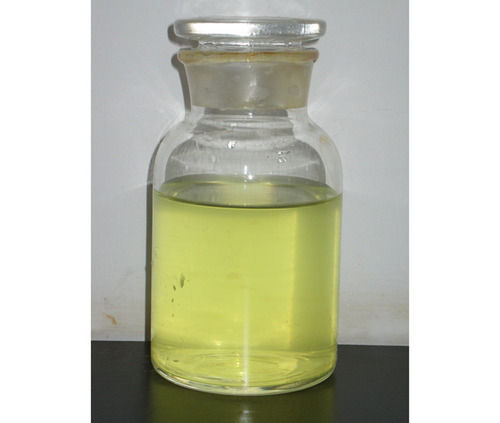
Sodium Chlorite 25% Liquid Solution
Price 1 INR/ Kilograms
MOQ : 50 Kilograms
Sodium Chlorite 25% Liquid Solution Specification
- Smell
- Faint chlorine-like odor
- Usage
- Used as an oxidizing and disinfecting agent, generation of chlorine dioxide
- Refractive Rate
- 1.373-1.390
- Density
- 1.25 Gram per cubic centimeter(g/cm3)
- Appearance
- Clear to pale yellow solution
- Grade
- Industrial Grade
- Poisonous
- YES
- Molecular Formula
- NaClO2
- Ph Level
- 11-13
- Shelf Life
- Minimum 12 months from date of manufacture if stored properly
- Physical Form
- Liquid
- Storage
- Store in cool, dry, well-ventilated area away from acids and combustibles
- Molecular Weight
- 90.44 g/mol
- Shape
- Liquid
- Purity
- 25% (w/w)
- CAS No
- 7758-19-2
- EINECS No
- 231-836-6
- Melting Point
- Decomposes before melting
- Properties
- Strong oxidizer, clear to yellow-green liquid, highly reactive in acid form, releases chlorine dioxide gas
- Solubility
- Miscible in water
- Structural Formula
- NaClO
- Application
- Water treatment, pulp bleaching, disinfection, textile industry
- HS Code
- 28289090
- Ingredients
- Sodium chlorite (NaClO2), water, stabilizers
- Taste
- Not for human consumption; strong chemical taste
- Product Type
- Chemical Compound
- UN Number
- 1908
- Compatibility
- Incompatible with acids, reducing agents, combustibles
- Flash Point
- Non-flammable
- Boiling Point
- Not applicable; decomposes upon heating
- Ecotoxicity
- Toxic to aquatic life
- Hazard Class
- 5.1 (Oxidizing Agent)
- Stability
- Stable under recommended storage conditions
- Packaging Type
- HDPE drums, IBC tanks
About Sodium Chlorite 25% Liquid Solution
Technical Sodium Chlorite
(25% Active Sodium Chlorite)
| 1. Sodium Chlorite Wt.% as NaClO2 | 25+/- 1 |
| 2. Sodium Chloride Wt.% as NaCl | 3.0 Max. |
| 3. Sodium Hydroxide Wt % as NaOH | 2.0 Max. |
| 4. Sodium Carbonate Wt% as Na2CO3 | 2.0 Max. |
| 5. Water Wt % | 70- 75 |
| 6. Appearance | Clear Slightly Greenish Yellow Liquid |
| 7. Odour | Faint Bleach like Odour |
| 8. pH | 11 to 13 |
| 9. Specific Gravity | 1.23 - 1.26 |
|
|
Powerful Oxidizing Agent
With a high purity of 25% w/w, Sodium Chlorite Solution acts as a potent oxidizer, making it invaluable for industrial disinfection, bleaching, and the production of chlorine dioxide. Its stability ensures reliable performance in demanding applications.
Safe Packaging and Storage
Supplied in HDPE drums and IBC tanks, Sodium Chlorite Solution remains stable for at least 12 months when stored in cool, dry, well-ventilated areas away from acids and combustibles. Proper handling and storage minimize risks associated with its oxidizing and toxic nature.
Industrial Applications
This solution is crucial for water treatment facilities, pulp and paper manufacturing, and textile industries. It serves as an efficient disinfectant and bleaching agent, contributing to cleaner water and whiter textiles. Its strong reactivity in acid forms also enables on-site chlorine dioxide generation.
FAQs of Sodium Chlorite 25% Liquid Solution:
Q: How should Sodium Chlorite 25% Liquid Solution be safely stored and handled?
A: It should be stored in cool, dry, well-ventilated areas away from acids, reducing agents, and combustibles. Handle with protective equipment and avoid contact with incompatible substances, as it is a strong oxidizer and poisonous.Q: What industries most commonly use Sodium Chlorite 25% Liquid Solution?
A: It is widely employed in water treatment plants, pulp bleaching, disinfection processes, and the textile industry due to its strong oxidative and disinfection capabilities.Q: When does Sodium Chlorite decompose, and what precautions should be observed during heating?
A: Sodium Chlorite decomposes upon heating rather than boiling, releasing toxic gases including chlorine dioxide. Avoid heating and always use it at recommended temperatures to prevent hazardous decomposition.Q: Where is this product typically packaged, and what types of containers are used?
A: It is typically packaged in HDPE drums and IBC tanks to ensure safety during storage and transport. These containers prevent leaks and minimize the risk of reaction with incompatible materials.Q: What makes Sodium Chlorite beneficial for water treatment and disinfection?
A: Its high reactivity as an oxidizer enables effective elimination of pathogens and organic contaminants, enhancing water clarity and safety. It is especially valuable for generating chlorine dioxide for advanced disinfection.Q: How is Sodium Chlorite 25% Solution applied in industrial processes?
A: It is dosed or mixed according to industry-specific protocols, often adjusted to generate chlorine dioxide on site. Operators must follow safety data sheets and avoid contact with acids or combustibles during application.Q: What are the risks to the environment and human health associated with Sodium Chlorite?
A: Sodium Chlorite is toxic to aquatic life and is poisonous to humans. Proper handling, containment, and disposal protocols are essential to mitigate environmental impact and health risks.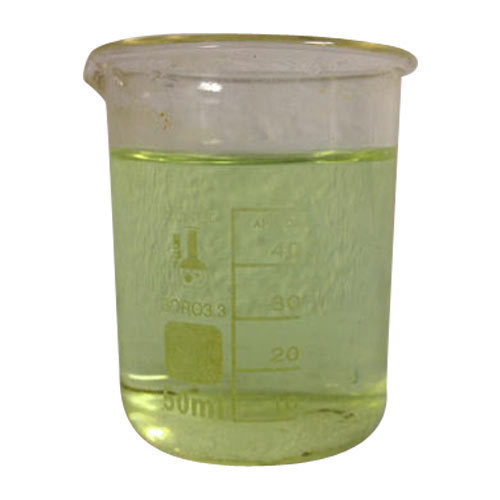
Tell us about your requirement

Price:
Quantity
Select Unit
- 50
- 100
- 200
- 250
- 500
- 1000+
Additional detail
Mobile number
Email

More Products in Sodium Chlorite Category
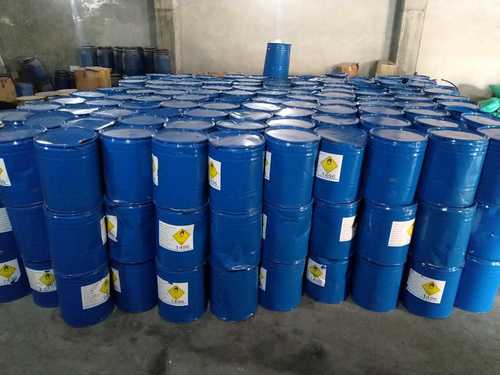
Sdium Chlorite 80% Powder
Price 1 INR / Kilograms
Minimum Order Quantity : 50 Kilograms
Purity : 80&
Physical Form : Powder
Molecular Formula : naclo2
Grade : 80&
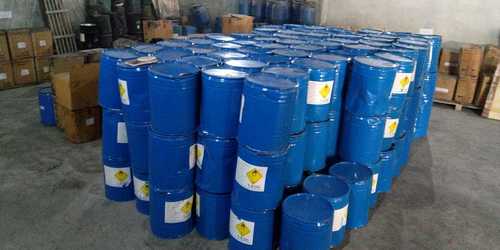
Sodium Chlorite 50% Powder
Minimum Order Quantity : 50 Kilograms, ,
Purity : 50%
Physical Form : Powder
Molecular Formula : NACLO2
Grade : 50%

 Send Inquiry
Our Products
- Sodium Chlorite
- Sodium Hydrosulphite
- Optical Brighteners
- Textile Chemicals
- Pretreatment Chemicals
- Wetting & Penetrating Agents
- Wetting Agent Cum Detergent
- Dyeing Chemicals
- Defoaming Agent
- Acid Buffers
- Polyester Dye Carrier
- Dispersing Agents
- Levelling Agents
- Anti Creasing Agents
- Washing Off Agent
- Dye Fixing Agent
- Sodium Hydrosulphite Substitute
- Textile Finishing Chemicals
- Cationic Softeners
- Silicone Softeners
- Basic Dyes
- Dyestuff
- Acrylic / Cationic Dyes


Opp. Central Jail, Near ETP Plant, Balaji Chowk, Tajpur Road, Ludhiana - 141007, Punjab, India

Mr Atin Garg
(M.D.)
Mobile :07971190640
 Send Inquiry
 Send SMS
 Call Me Free
Developed and Managed by Infocom Network Private Limited.
